







Business Insolvency Essentials: Chapter 11 Bankruptcy and More (CA) (2012)
Course Summary
This seminar covers procedures and strategies of the typical Chapter 11 case from pre-bankruptcy planning through plan confirmation and beyond.
This program is very comprehensive and covers the multitude of perspectives related to bankruptcy cases, including: creditor, debtor and other parties in interests, financial advisors and judges.
While this program is accessible for beginners, mid-level bank bankruptcy practitioners will benefit significantly by attending. You will gain an insight into a lot of what attorneys do not learn in basic courses, firm training, or from reading treatises and case law.
We highly recommend this program for the intermediate level practitioner.
Instant Download Available for this Recorded CLE Seminar
Don't want to wait for a CD? Many of our Home Study Recorded Programs are now available for instant downloading! You now have the option to purchase CDs or instant download, so make sure you pick the one you want! If you pick instant download be sure to create an account during the process so you can access your files.
Please make sure you add registration@pincusproed.com to your address book/white list (or have your firm/agency IT staff clear it on their white list), so you get your order confirmation email. If you do not receive this within 24 hours, check your spam filters or email us with an alternate email address because it means our emails are not getting through to you. We automatically send you this information within 24 hours of purchase.
CA/WA/FL: A CLE Self-Study/AV Certificate and handout materials are included in your downloaded zip file. Please print your certificate for your records.
IL: A CLE Affidavit of Self-Study and handout materials are included in your downloaded zip file. You must complete the affidavit and return it to Pincus Professional Education to receive your CLE Certificate.
What You Will Learn if You Attend This Seminar
- Alternatives to Bankruptcy [Bradley Sharp/Judge Bason]
- negotiation/workout
- assignments for the benefit of creditors, and receiverships
- director and officer duties/liabilities before bankruptcy (zone of insolvency, etc.)
- use of stand-still and tolling agreements
- strategic considerations that dictate which alternative to choose
- Pre-Bankruptcy Considerations [Kavita Gupta]
- critical importance of:
- identifying the goals and exit strategy (other than conversion) for the Ch.11 case and a realistic business plan for how to get there
- assessing feasibility and timelines (incl. understanding the debtor’s cash flows and adequacy of accounting systems)
- anticipating and addressing issues that could derail the restructuring (i.e., a plan built around a contract that cannot be assumed without the counter-party’s consent)
- managing internal and external communications, determining where and when to file
- critical importance of:
- Commencement of Chapter 11 [Ori Katz/Judge Bason]
- Ch.7 distinguished (and Ch.9, 12, 13, 15)
- voluntary/involuntary
- bankruptcy schedules and statement of financial affairs (SOFA)
- employment and fee issues with respect to professionals, how are they paid, etc.
- governance during bankruptcy (debtor-in-possession as trustee, fishbowl, appointment of examiner or trustee, conversion, dismissal, etc.)
- Trustee compliance
- First Day Motions [Entire Panel]
- DIP financing, cash collateral, pre-petition wages, critical vendors, management incentive plans v. retention plans
- limiting notice, utility deposits, maintaining bank accounts, joint administration v. substantive consolidation, procedures for 503(b)(9), setting claim bar date, etc.
- Official and Other Informal Committees
- kinds of official and informal committees
- creditor
- retiree
- equity
- ad hoc
- formation and role in a case
- pre- and post-filing
- solicitation of committees by counsel
- duties of committee members and counsel
- internal governance and operation of the committee
- protection of confidential information
- FRBP 2019
- kinds of official and informal committees
- Litigation Issues
- procedure - impact of automatic stay [Judge Bason]
- actions by/against debtor
- property of estate includes claims belonging to the debtor
- void v. voidable
- retroactive annulment of stay
- application to individuals, etc.
- procedure - venue/forum [Judge Bason]
- core/non-core
- contested matters/adversary proceedings
- removal
- remand and abstention, etc.
- claims against creditors & others [Entire Panel]
- avoidance actions
- strong-arm powers
- preferences
- fraudulent transfers, etc. - non-BK claims
- contracts, torts, post-petition claims, etc.
- can trustee assert alter-ego and derivative claims?
- does in pari delicto defense apply?
- avoidance actions
- claims by creditors [Entire Panel]
- classification
- secured
- priority
- unsecured - special types of claims landlords (502(b)(6))
- 20-day vendors of goods (503(b)(9))
- whether vendor can be paid and also use goods as “new value” for 547(c)
- whether 502(d) applies to 503(b)(9)
- rejection damage claims, etc.
- classification
- employee wage and benefit claims
- governmental claims related to underfunded workers compensation and retirement benefit plans
- potential personal liability for managers/owners under state law
- procedure - impact of automatic stay [Judge Bason]
- Executory Contracts and Leases [Kevin Coleman]
- cure, assume, assign
- non-assignable contracts under the “hypothetical” & “actual” tests
- possible solutions
- financial accommodation contracts
- intellectual property (365(n)), etc.)
- cure, assume, assign
- Sales/Settlements [Ori Katz/Panel]
- is court approval needed?
- sales of substantially all assets
- Section 363 v. plan
- sales free and clear of liens
- claims and interests (Clear Channel case, appeals, etc.)
- Chapter 11 Plan Formulation and Confirmation [Ori Katz/Kavita Gupta]
- classification & voting
- cramdown
- competing plans/exclusivity
- pre-packaged & pre-negotiated plans
- plan injunctions in favor of non-debtors
- effect of discharge and re-vesting of property upon confirmation
- limitations on ability to discharge certain claims
- i.e., Exide and on-going environmental clean-up liabilities
- Single Asset Real Estate Cases [Kevin Coleman]
- special rules
- timeline
- issues
- Cross Border Cases
- Chapter 15 and requirements for recognition of foreign main proceedings
- effect of recognition
- relief to preserve assets
- applicability of certain Code provisions in Ch. 15
- foreign representative’s authorization to file a voluntary Ch. 11 case, why it would do so
- priority of foreign claims in such cases, foreign representative becomes subject to suit
- cooperation and coordination between U.S. Bankruptcy Courts, foreign courts and their representatives
- commencement of recognition proceedings in other countries
- Chapter 15 and requirements for recognition of foreign main proceedings
- Small Business Cases [Judge Bason]
- special rules
- timeline
- issues
- Individual Debtors in Chapter 11 Cases [Judge Bason]
- absolute priority rule
- key differences from Chapters 7 and 13
Home Study Course
Business Insolvency Essentials: Chapter 11 Bankruptcy and More (CA) (2012)
Click on the "purchase now" button to order the audio recording of our seminar, "Business Insolvency Essentials: Chapter 11 Bankruptcy and More." This is a live recording of our September 2012 seminar.
$415 plus tax and $7.50 shipping. Free for Pincus Pass holders!
Instant Download Available for this Recorded CLE Seminar
Don't want to wait for a CD? Many of our Home Study Recorded Programs are now available for instant downloading! You now have the option to purchase CDs or instant download, so make sure you pick the one you want! If you pick instant download be sure to create an account during the process so you can access your files.
Please make sure you add registration@pincusproed.com to your address book/white list (or have your firm/agency IT staff clear it on their white list), so you get your order confirmation email. If you do not receive this within 24 hours, check your spam filters or email us with an alternate email address because it means our emails are not getting through to you. We automatically send you this information within 24 hours of purchase.
CA/WA/FL: A CLE Self-Study/AV Certificate and handout materials are included in your downloaded zip file. Please print your certificate for your records.
IL: A CLE Affidavit of Self-Study and handout materials are included in your downloaded zip file. You must complete the affidavit and return it to Pincus Professional Education to receive your CLE Certificate.
Agenda
Morning Session: 9:00 a.m. – 12:15 p.m.
- Alternatives to Bankruptcy [Bradley Sharp/Judge Bason]
- negotiation/workout
- assignments for the benefit of creditors, and receiverships
- director and officer duties/liabilities before bankruptcy (zone of insolvency, etc.)
- use of stand-still and tolling agreements
- strategic considerations that dictate which alternative to choose
- Pre-Bankruptcy Considerations [Kavita Gupta]
- critical importance of:
- identifying the goals and exit strategy (other than conversion) for the Ch.11 case and a realistic business plan for how to get there
- assessing feasibility and timelines (incl. understanding the debtor’s cash flows and adequacy of accounting systems)
- anticipating and addressing issues that could derail the restructuring (i.e., a plan built around a contract that cannot be assumed without the counter-party’s consent)
- managing internal and external communications, determining where and when to file
- critical importance of:
- Commencement of Chapter 11 [Ori Katz/Judge Bason]
- Ch.7 distinguished (and Ch.9, 12, 13, 15)
- voluntary/involuntary
- bankruptcy schedules and statement of financial affairs (SOFA)
- employment and fee issues with respect to professionals, how are they paid, etc.
- governance during bankruptcy (debtor-in-possession as trustee, fishbowl, appointment of examiner or trustee, conversion, dismissal, etc.)
- Trustee compliance
- First Day Motions [Entire Panel]
- DIP financing, cash collateral, pre-petition wages, critical vendors, management incentive plans v. retention plans
- limiting notice, utility deposits, maintaining bank accounts, joint administration v. substantive consolidation, procedures for 503(b)(9), setting claim bar date, etc.
- Official and Other Informal Committees
- kinds of official and informal committees
- creditor
- retiree
- equity
- ad hoc
- formation and role in a case
- pre- and post-filing
- solicitation of committees by counsel
- duties of committee members and counsel
- internal governance and operation of the committee
- protection of confidential information
- FRBP 2019
- kinds of official and informal committees
- Litigation Issues
- procedure - impact of automatic stay [Judge Bason]
- actions by/against debtor
- property of estate includes claims belonging to the debtor
- void v. voidable
- retroactive annulment of stay
- application to individuals, etc.
- procedure - venue/forum [Judge Bason]
- core/non-core
- contested matters/adversary proceedings
- removal
- remand and abstention, etc.
- claims against creditors & others [Entire Panel]
- avoidance actions
- strong-arm powers
- preferences
- fraudulent transfers, etc. - non-BK claims
- contracts, torts, post-petition claims, etc.
- can trustee assert alter-ego and derivative claims?
- does in pari delicto defense apply?
- avoidance actions
- claims by creditors [Entire Panel]
- classification
- secured
- priority
- unsecured - special types of claims landlords (502(b)(6))
- 20-day vendors of goods (503(b)(9))
- whether vendor can be paid and also use goods as “new value” for 547(c)
- whether 502(d) applies to 503(b)(9)
- rejection damage claims, etc.
- classification
- employee wage and benefit claims
- governmental claims related to underfunded workers compensation and retirement benefit plans
- potential personal liability for managers/owners under state law
- procedure - impact of automatic stay [Judge Bason]
LUNCH 12:15 – 1:30 p.m. (on your own)
Afternoon Session: 1:30 – 4:45 p.m.
- Executory Contracts and Leases [Kevin Coleman]
- cure, assume, assign
- non-assignable contracts under the “hypothetical” & “actual” tests
- possible solutions
- financial accommodation contracts
- intellectual property (365(n)), etc.)
- cure, assume, assign
- Sales/Settlements [Ori Katz/Panel]
- is court approval needed?
- sales of substantially all assets
- Section 363 v. plan
- sales free and clear of liens
- claims and interests (Clear Channel case, appeals, etc.)
- Chapter 11 Plan Formulation and Confirmation [Ori Katz/Kavita Gupta]
- classification & voting
- cramdown
- competing plans/exclusivity
- pre-packaged & pre-negotiated plans
- plan injunctions in favor of non-debtors
- effect of discharge and re-vesting of property upon confirmation
- limitations on ability to discharge certain claims
- i.e., Exide and on-going environmental clean-up liabilities
- Single Asset Real Estate Cases [Kevin Coleman]
- special rules
- timeline
- issues
- Cross Border Cases
- Chapter 15 and requirements for recognition of foreign main proceedings
- effect of recognition
- relief to preserve assets
- applicability of certain Code provisions in Ch. 15
- foreign representative’s authorization to file a voluntary Ch. 11 case, why it would do so
- priority of foreign claims in such cases, foreign representative becomes subject to suit
- cooperation and coordination between U.S. Bankruptcy Courts, foreign courts and their representatives
- commencement of recognition proceedings in other countries
- Chapter 15 and requirements for recognition of foreign main proceedings
- Small Business Cases [Judge Bason]
- special rules
- timeline
- issues
- Individual Debtors in Chapter 11 Cases [Judge Bason]
- absolute priority rule
- key differences from Chapters 7 and 13
MCLE Credit
Pincus Professional Education certifies this seminar has been approved for MCLE credit in the amount of 6.0 credit hours in California.
Upon request, we will assist attorneys in asking for CLE credit in other states.
Instructors
Faculty:
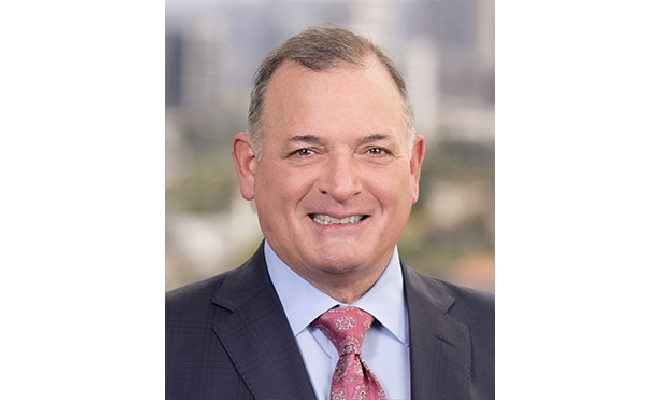
Hon. Neil W. BasonJudge
United States Bankruptcy Court Central District Of California
Neil W. Bason is a U.S. Bankruptcy Judge in downtown Los Angeles. He graduated from the Boston University School of Law in 1988 and was in private practice in Boston and San Francisco. From approximately 2000 through early 2008 he had the invaluable experience of working as a law clerk to the Honorable Dennis Montali, Bankruptcy Judge of the Northern District of California and Chief Judge of the Bankruptcy Appellate Panel of the Ninth Circuit. In 2008 through 2011 he was fortunate to work with friends and colleagues in private practice, first at Howard Rice Nemerovski Canady Falk & Rabkin, P.C. (now combined with Arnold & Porter LLP) and then at Duane Morris LLP. Before taking the bench he represented a wide variety of interests in commercial bankruptcy and insolvency matters including secured creditors, trustees, receivers, debtors/borrowers, guarantors, unsecured creditors, prospective purchasers of assets out of bankruptcy, parties to executory contracts and unexpired leases, equity holders, and other parties in interest. He has been a frequent speaker and writer on bankruptcy and insolvency topics, and a member and officer of various bankruptcy and insolvency organizations. When Judge Bason is not sitting in downtown Los Angeles he is usually hiking, biking, or dining nearby.
Partner
Schnader Harrison Segal & Lewis LLP
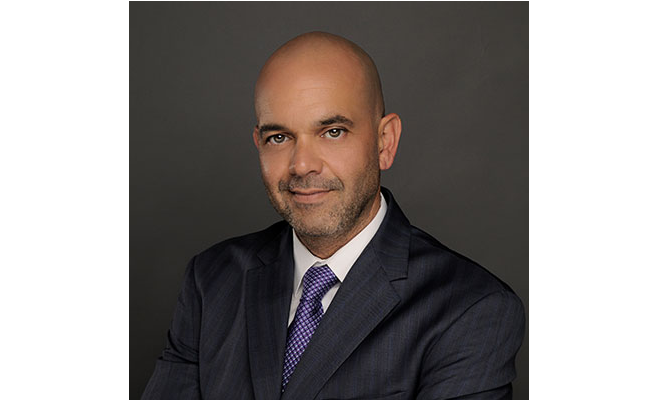
Mr. Coleman is a partner and co-chair of the Firm's Creditors' Rights and Business Restructuring Practice Group. His practice focuses on business restructurings, particularly those concerning technology and telecommunications companies. Mr. Coleman represents debtors, creditors’ committees, trustees, and parties to significant ongoing contracts in cases under Chapter 11 and Chapter 7 of the Bankruptcy Code. Among other things, Mr. Coleman has handled complex litigation concerning the treatment of executory contracts and secured claims in connection with asset sales, debtor-in-possession financing, and confirmation of Chapter 11 plans. Mr. Coleman also advises clients contemplating a business transaction involving an insolvent business on the structures and strategy that will overcome obstacles to their business objectives.
Partner
Gupta | Ferrer LLP
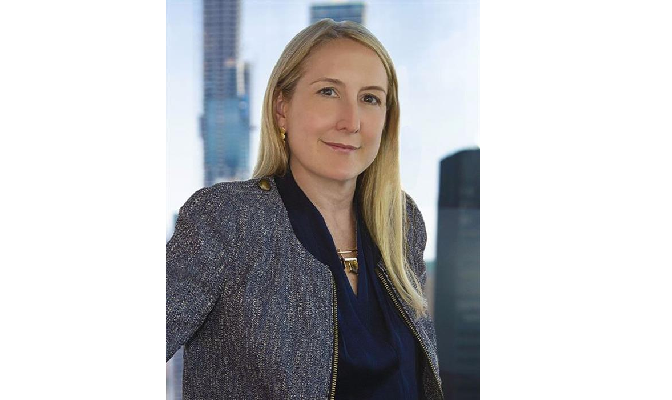
Kavita Gupta's practice focuses on representing a variety of debtors and creditors in all phases of complex distressed financial situations including out of court workouts and Chapter 11 cases. She has experience in large-scale restructurings and insolvencies and has advised clients in distressed situations across a variety of industries including retail, hospitality, real estate, manufacturing, finance and non-profit organizations. Ms. Gupta has also been appointed as a Chapter 11 Trustee by the Office of the United States Trustee.
Ms. Gupta frequently writes and lectures on a variety of bankruptcy issues. Her most recent publications are "Chasing the Money: Pursuing a Debtor's Shareholders under Alter-Ego Liability Theory," XXXI ABI Journal No. 11, 14, 74-75 (December/January 2013) and "Confirmation Issues Facing a Nonprofit Debtor," XXXI ABI Journal No. 3, 32, 111-112 (April 2012).
Ms. Gupta is a graduate of University of Southern California Gould School of Law.
Partner
Sheppard Mullin Richter & Hampton
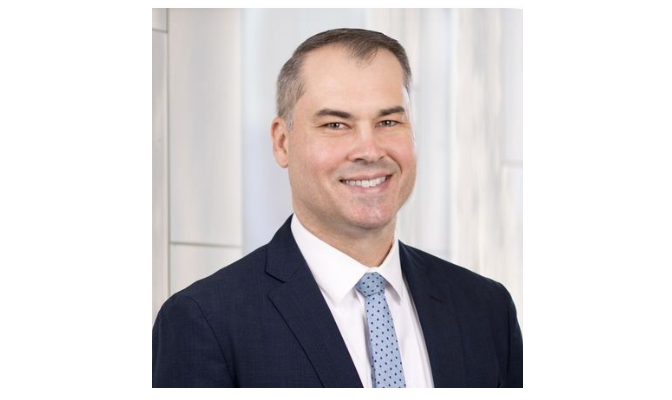
Ori Katz is a partner based in the San Francisco office of Sheppard, Mullin, Richter & Hampton LLP. Mr. Katz specializes in business bankruptcies and other aspects of insolvency law. He has represented debtors, individual creditors, creditors' committees, parties purchasing assets out of bankruptcy and parties involved in bankruptcy litigation. He has successfully reorganized companies in a wide range of industries, including real estate, retail, construction, biotech, telecommunications, media and the internet. He has also represented lenders in connection with receiverships, loan workouts, restructurings, foreclosures and borrower bankruptcies, and acted as receivership counsel in connection with various appointments. Mr. Katz graduated magna cum laude from the Boston University School of Law in 2000. He is currently a member of the Insolvency Law Committee of the Business Law Section of the State Bar of California, and a board member of the Bay Area Bankruptcy Forum. He has also served as past co-chair of the California Bankruptcy Forum. Mr. Katz is a frequent speaker on matters relating to bankruptcy and insolvency law, and will be teaching a seminar on Business Bankruptcy and Corporate Reorganization in the Spring of 2012-13 at UC Hastings College of the Law.
Senior Vice President
Development Specialists, Inc.
Bradley Sharp is a Senior Vice President with DSI’s Los Angeles office. Prior to joining DSI in 1993, Mr. Sharp was a Vice President and Commercial Loan Collection Officer with Bank of America, NT&SA. Mr. Sharp has substantial experience in providing crisis management and consulting services to companies in various industries including real estate, consumer finance, high tech and agriculture. He has operated and sold public and privately held troubled companies in and out of bankruptcy. Mr. Sharp is also an expert witness with respect to banking, finance and securitizations. Mr. Sharp is currently the chapter 11 trustee for Namco Capital Group, Inc., a West Los Angeles based real estate investment company formerly operated by Ezri Namvar. Mr. Sharp is also the chapter 11 trustee for SK Foods, LP, a Monterey California based processor of tomato products. SK Foods principal, Scott Salyer, recently plead guilty to racketeering and price fixing.
Terms & Policies
Seminar, Webinar, Webcast Registration and Attendance Terms & Policies
Reminder: The room temperature at hotels and other seminar locations are notoriously hard to control. Please bring a sweater or jacket in case it gets cold and/or layer as if you are going to the movies so you are comfortable.
Recording policy: No audio or video recording of any program is permitted.
Seminar Cancellations: Should you be unable to attend for any reason, please inform us in writing no later than 14 days prior to the event and a credit voucher will be issued. If you prefer, a refund, less a $50 non-refundable deposit, will be issued. No refunds or credits will be given for cancellations received within 14 days of an event. However, if you wish to convert your in-person attendance registration to an Audio CD package (with handout) we can do so. A small additional shipping charge will be incurred.
Substitutions may be made at any time.
Webinars, Tele-seminars and Webcast Cancellations: Once log-in codes and passwords are issued for a webinar, tele-seminars or webcasts, a refund is not possible. If for any reason you cannot attend the event after you have received the codes, we will automatically convert your registration to an instant streaming/instant download or CD format and provide you with the information you need to access the recording after the program concludes and the recording is available.
Return/Refund Policy for Tapes/CDs/DVDs:
Tapes, CDs and DVDs are returnable for a full refund or replacement if defective, within 90 days of purchase.